
- 2026-04-03
- By Admin
India Tour Holidays Guide Uk Visitors
India Tour Holidays: Problems Tourists Face in India (And How to Avoid Them) – Honest Guide for UK Visitors (2026)
India has long captured the imagination of British travellers. From the grandeur of the Taj Mahal to the spiritual calm of the Ganges at dawn, india tour holidays offer a depth of experience that few destinations in the world can match. Yet for many UK visitors — particularly those planning their first trip — excitement is often accompanied by a fair number of questions. Is it safe? Will the food agree with me? How do I avoid being overcharged?
These are entirely reasonable concerns, and this guide addresses them honestly. India is not a destination that pretends to be without its quirks. Traffic can be chaotic, crowds can be overwhelming, and the cultural differences can feel significant at first. But with the right preparation and a well-organised tour, the vast majority of UK travellers find that their india travel holidays exceed every expectation.
This guide is written for those who want a clear-eyed, balanced view — not a glossy brochure, but not a list of horror stories either. Just honest, practical advice from people who know India well.
Why India Tour Holidays Are Worth It
Before getting into the challenges, it is worth pausing to consider what makes India such a compelling destination in the first place.
India is one of the most culturally layered countries on earth. Its history stretches back thousands of years, and that history is visible everywhere — in ancient temples, Mughal architecture, colonial-era railways, and living traditions that have continued unbroken for centuries.
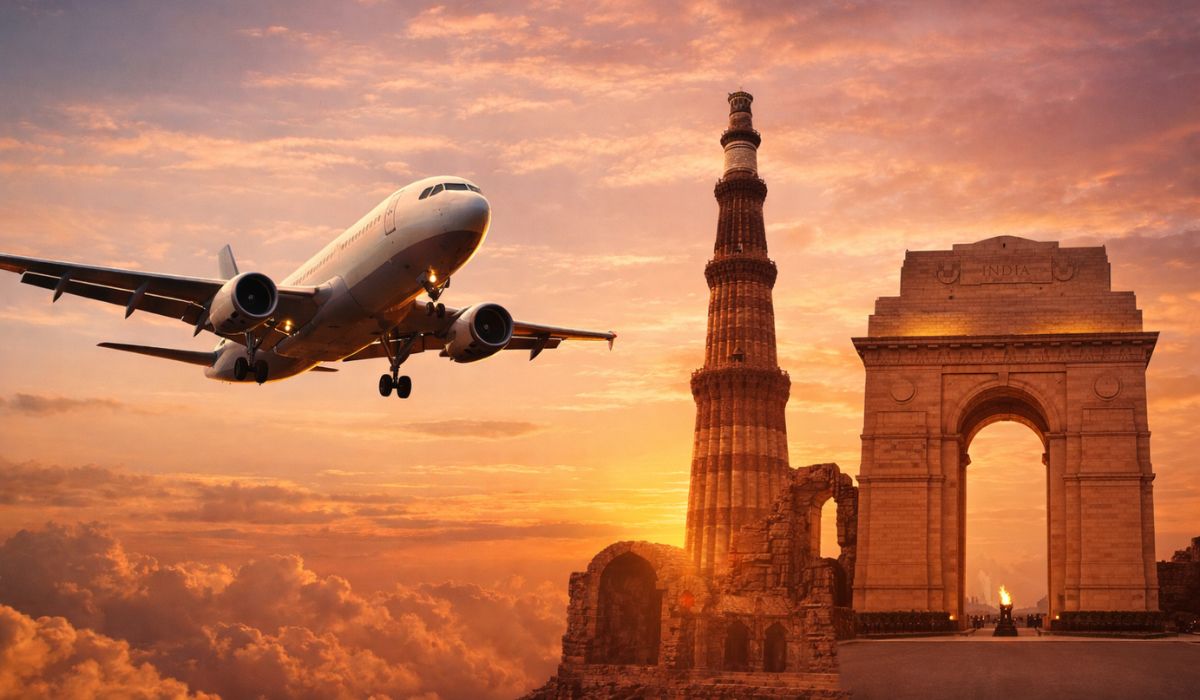
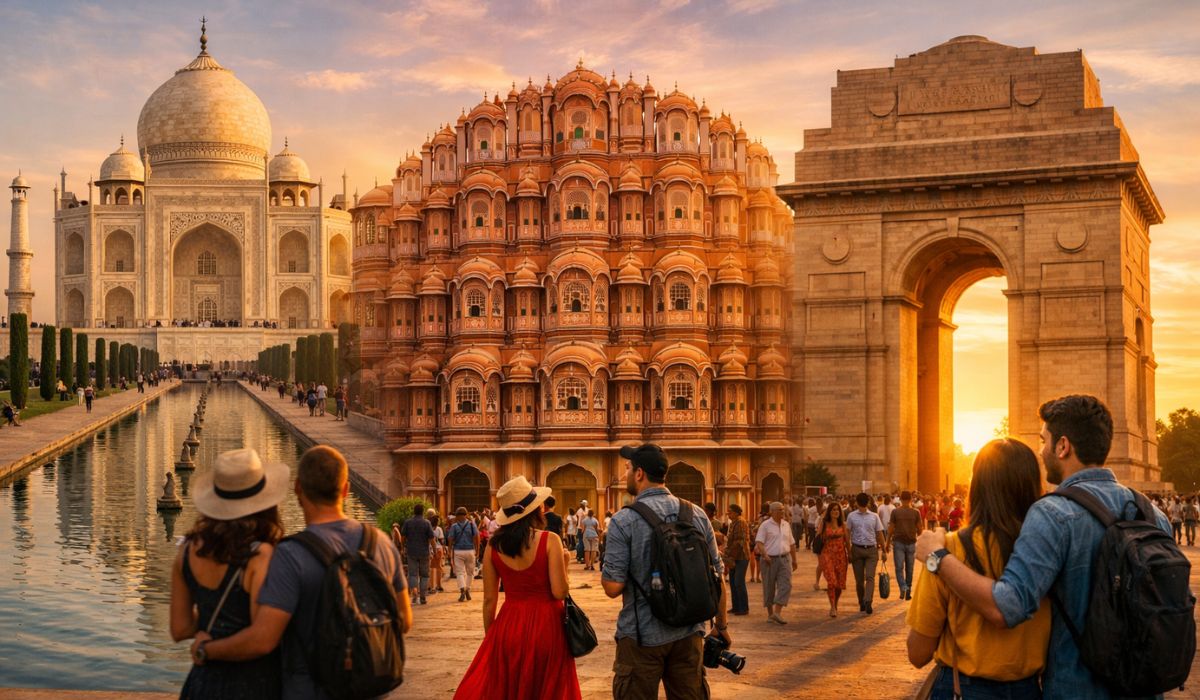
For UK travellers interested in heritage and history, the Golden Triangle — Delhi, Agra, and Jaipur — remains one of the world's great travel circuits. Delhi's mix of Mughal monuments and modern energy, the serene beauty of the Taj Mahal in Agra, and the pink-walled grandeur of Jaipur create a journey that feels genuinely transformative.
Beyond the Golden Triangle, India offers extraordinary variety. There is wildlife tourism in Rajasthan's national parks, spiritual journeys in the Himalayan foothills, coastal retreats in Kerala, and royal heritage across Rajputana. India tour packages from UK can be tailored to suit almost any interest, pace, or budget.
Many UK travellers who visit once find themselves planning a return trip before they have even landed back at Heathrow.
Travel Trends in 2026: Why More UK Visitors Are Choosing India
Over the past few years, many British travellers have been quietly reassessing their long-haul holiday choices. Destinations that were once popular — parts of the Middle East, North Africa, and Eastern Mediterranean — have become less straightforward to plan around for various reasons. As a result, there has been a noticeable and growing interest in India as a well-established, culturally rich alternative.
India's major tourist routes have been welcoming international visitors for decades. The infrastructure for tourism — guided tours, heritage hotels, airport connectivity, and English-language support — is well-developed, particularly in the north and along the classic heritage circuits.
For UK travellers seeking a holiday that combines cultural depth, value for money, and the reassurance of a well-trodden path, india tour holidays in 2026 are receiving more serious attention than ever before. And for good reason.
Problems Tourists Face in India — And How to Handle Them
Honesty matters when planning a trip of this significance. Here are the most common challenges UK travellers encounter in India, along with straightforward ways to manage each one.
1. Culture Shock
India is unlike anywhere most British travellers have visited before. The noise, colour, pace, and sheer density of life can feel overwhelming in the first day or two — particularly in cities like Delhi or Varanasi.
You may notice that personal space works differently in India, that queues operate on a different logic, and that the volume of daily life is simply higher than you are accustomed to at home.
How to manage it: Give yourself a day to settle in before diving into intensive sightseeing. Many experienced tour operators build an acclimatisation day into itineraries for exactly this reason. Travelling with a knowledgeable local guide also helps enormously — having someone to contextualise what you are seeing and experiencing makes a significant difference.
2. Traffic and Transport
Indian road traffic is genuinely chaotic by UK standards. Horns are used constantly and liberally, lanes are treated as approximate suggestions, and the sheer volume of vehicles — cars, auto-rickshaws, motorbikes, cattle, and the occasional elephant — can make even a short journey feel eventful.
Inter-city travel can also be time-consuming. Distances that look manageable on a map can take several hours by road.
How to manage it: Book your transport through a reputable operator in advance. Private, air-conditioned vehicles with experienced drivers make a substantial difference to comfort and safety. Many india tour packages from UK include private road transfers as standard, which removes this concern entirely. Where possible, book overnight trains for longer journeys — India's railway network is extensive, and sleeper trains are a genuine experience in themselves.
3. Scams and Overpricing
Overpricing and opportunistic scams are a reality in heavily touristed areas of India. Common situations include taxi drivers quoting inflated fares, shop owners claiming a "government-approved" store that is nothing of the sort, and touts offering to take you to "closed" monuments before steering you towards a commission-paying shop instead.
These are not unique to India — similar situations occur in tourist hotspots around the world — but they can catch first-time visitors off guard.
How to manage it: Use pre-booked, trusted transport wherever possible. Agree on fares before getting into any vehicle without a meter. Be politely sceptical of anyone who approaches you unprompted with offers of help or information. Travelling with an organised tour eliminates most of these situations, as guides handle logistics and negotiations on your behalf.
4. Hygiene and Food Safety
Digestive upset is the most commonly reported health issue among UK travellers in India. The shift in diet, water quality, and food preparation standards can affect even experienced travellers, regardless of how careful they are.
Street food, while often absolutely delicious, carries a higher risk than restaurant meals. Water quality varies considerably across regions.
How to manage it: Drink only bottled or filtered water throughout your trip — this is non-negotiable. Stick to cooked food where possible, particularly in the first few days. Many travellers find that eating in well-regarded restaurants rather than roadside stalls significantly reduces risk. Carry a basic travel health kit including rehydration sachets and a mild stomach remedy. Consult your GP before travelling about appropriate vaccinations and medications.
5. Language Barrier
English is widely spoken across India's tourist circuits, in hotels, and in most urban areas. However, once you move beyond the main tourist trail, communication can become more challenging. Regional languages, strong accents, and occasional miscommunications are par for the course.
How to manage it: A phrasebook or translation app is useful for occasional situations. More practically, travelling with a guide who speaks both English and the local language removes most communication friction. Many UK travellers find this one of the most significant benefits of booking a guided india travel holiday rather than attempting to navigate independently.
6. Overcrowding at Major Sites
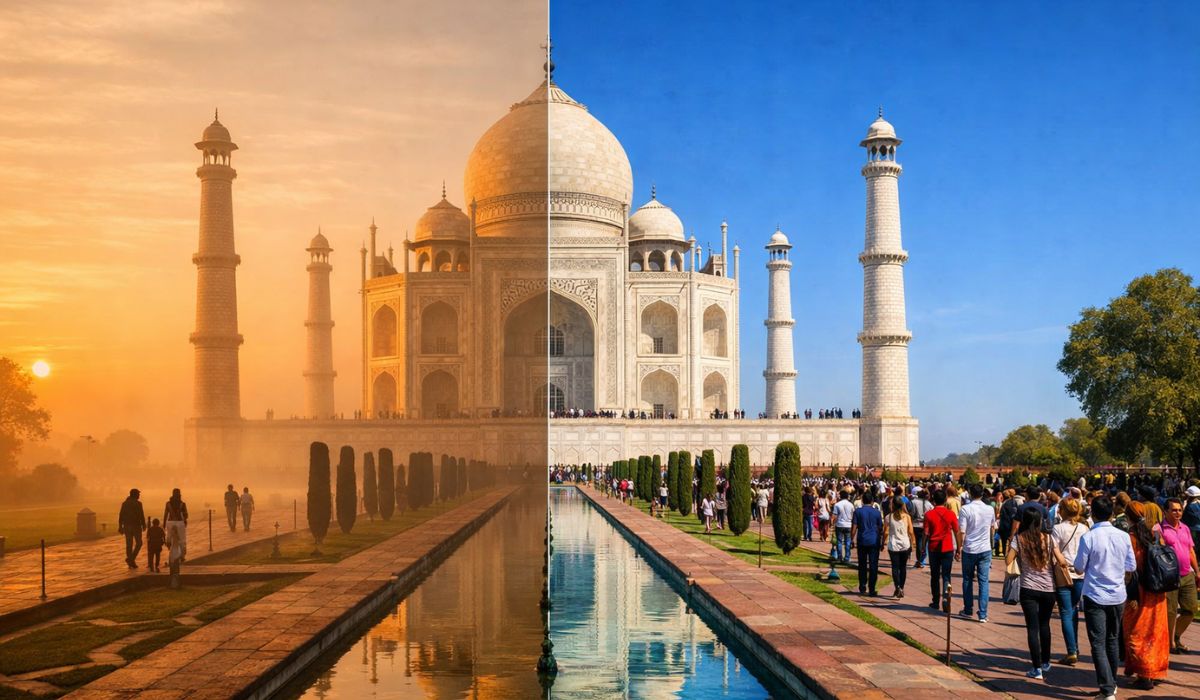
The Taj Mahal, Amber Fort, and Qutub Minar are among the most visited monuments on earth. At peak times, queues can be long, crowds can be dense, and the experience can feel more rushed than you might hope.
How to manage it: Visit major sites early in the morning — ideally at opening time. Many experienced guides will recommend the same. Travelling outside of peak Indian holiday seasons (avoiding Diwali and major school holidays if possible) also helps. A well-planned itinerary will build in appropriate timing for each site.
7. Safety Concerns
Safety is, understandably, a concern many UK travellers raise before their first india tour holiday. It is worth addressing this honestly.
India is a large and diverse country, and experiences vary enormously depending on where you go and how you travel. The major tourist circuits — Delhi, Agra, Jaipur, Rajasthan, and the Himalayan foothills — are generally considered safe for international visitors, including solo female travellers, when sensible precautions are taken.
Petty crime such as pickpocketing occurs in crowded areas, as it does in London or any major city. More serious incidents affecting tourists are relatively rare on the established heritage routes, though it is always wise to stay informed.
How to manage it: Travel with a reputable, ATOL-protected UK tour operator where possible. Stay in well-reviewed, established accommodation. Share your itinerary with someone at home. Purchase comprehensive travel insurance that covers medical evacuation. Register with the FCDO (Foreign, Commonwealth and Development Office) travel alerts for India before you depart. Avoid travelling alone at night in unfamiliar areas.
How to Avoid These Problems: The Smarter Way to Travel India
The single most effective way to sidestep the majority of these challenges is straightforward: travel with a well-organised, reputable tour.
Many UK travellers who travel independently on their first india travel holiday report wishing they had gone with a guided package. The logistics of India — transport, accommodation, monument entry, tipping culture, local etiquette — are genuinely complex, and having an experienced operator handle the details frees you to enjoy the experience.
It is also worth spending time on pre-trip research and preparation: sorting vaccinations well in advance, obtaining appropriate travel insurance, reading about local customs, and setting realistic expectations about pace and comfort.
India rewards travellers who approach it thoughtfully.
Best India Tour Holidays to Consider
For UK travellers weighing up their options, here are some well-regarded itineraries worth exploring.
Golden Triangle Tour Package With Ranthambore
This combines the classic Delhi–Agra–Jaipur circuit with a wildlife experience at Ranthambore National Park, one of India's finest tiger reserves. It suits travellers who want culture and nature in a single, manageable trip then I recommend Golden Triangle Tour With Ranthambore for best wildlife experience.
Agra Overnight Tour Package With Mathura Vrindavan
Ideal for those with limited time who want to experience the Taj Mahal properly, alongside the deeply spiritual towns of Mathura and Vrindavan, which are central to Hindu culture and history then, the best recommendation is Agra Overnight Tour Package With Mathura Vrindavan.
Char Dham Yatra Tour Package by Car
A pilgrimage and heritage journey through the Himalayan foothills, visiting four of Hinduism's most sacred sites. That byThis Char Dham Yatra tour package is ideal for travellers interested in spirituality, mountain scenery, and a slower, more contemplative pace.
Same-Day Jaipur Tour by Car from Delhi
A well-organised day trip from Delhi to the Pink City, covering Amber Fort, Hawa Mahal, and the City Palace. This is a practical option for those with limited days in Rajasthan.
These are not pushed as the only options
simply examples of the kinds of structured, thoughtfully planned india tour packages from UK that tend to deliver a genuinely satisfying experience.
Expert Tips for UK Travellers
A few practical notes that experienced India travellers consistently mention:
Pack light, but pack smart. Loose, breathable cotton clothing is far more comfortable than synthetic fabrics, particularly in Rajasthan. Cover shoulders and knees when visiting religious sites.
Carry cash. While UPI and card payments are increasingly common in India, many smaller establishments, auto-rickshaws, and rural vendors deal only in cash. Keep small denomination notes to hand.
Bargaining is normal — and expected. In markets, gentle negotiation is part of the culture. In fixed-price shops and restaurants, it is not. Learning the difference quickly will save you both money and awkwardness.
Start slowly. Many travellers try to pack too much into their first india tour holiday. India is not a destination that rewards rushing. A well-paced itinerary with built-in breathing room is far more enjoyable than a relentless schedule.
Trust your guide. A good local guide is worth more than any guidebook. They know which sites are worth extra time, which restaurants are genuinely good, and how to handle the occasional unexpected situation with calm efficiency.
Time zones and jet lag are real. The UK to India time difference is currently 4.5 hours ahead of GMT. Give yourself a day to adjust, particularly if you have early-morning site visits planned.
Conclusion
India is not a destination that pretends to be straightforward. It has its challenges, and anyone telling you otherwise is not being entirely honest with you.
But the challenges are manageable — and for the vast majority of UK travellers who go well-prepared and with a sensible plan, india tour holidays deliver something genuinely remarkable: a sense of scale, history, colour, and human energy that is simply not available anywhere else on earth.
The problems outlined in this guide are real, but none of them are insurmountable. Culture shock fades within days. Traffic is navigable with the right transport. Scams are avoidable with a little awareness. Food concerns are manageable with basic precautions. And the rewards — standing before the Taj Mahal at sunrise, exploring Jaipur's magnificent forts, or watching a tiger move through the Ranthambore grasslands — are worth every bit of preparation.
The key is smart travel planning. Choose a reputable operator. Build a realistic itinerary. Do your preparation. And then go with an open mind.
India will do the rest.
FAQs Abouth India Tour Holidays
1. Is India safe for UK tourists in 2026?
Yes, India is generally considered safe for UK tourists, particularly along well-established travel routes such as Delhi, Agra, and Jaipur. Like any international destination, it’s advisable to take standard precautions, stay in reputable accommodation, and follow local guidance. Many travellers find that booking organised India tour holidays adds an extra level of comfort and reassurance.
2. What problems do tourists commonly face in India?
Some travellers experience culture shock, busy traffic, overcrowding at major attractions, and occasional issues with hygiene or overpricing. These challenges are quite common for first-time visitors, but with proper planning and awareness, they can be managed easily.
3. Are India tour holidays suitable for first-time visitors?
Yes, India tour holidays are particularly well-suited for first-time visitors. Structured itineraries, guided experiences, and pre-arranged transport help reduce uncertainty and make the overall journey more comfortable and enjoyable.
4. What is the best way to travel around India as a UK tourist?
The most convenient way to travel is through pre-booked tours or private transport arranged by a reliable operator. This ensures smoother logistics, better time management, and a more relaxed travel experience, especially in busy cities and long-distance routes